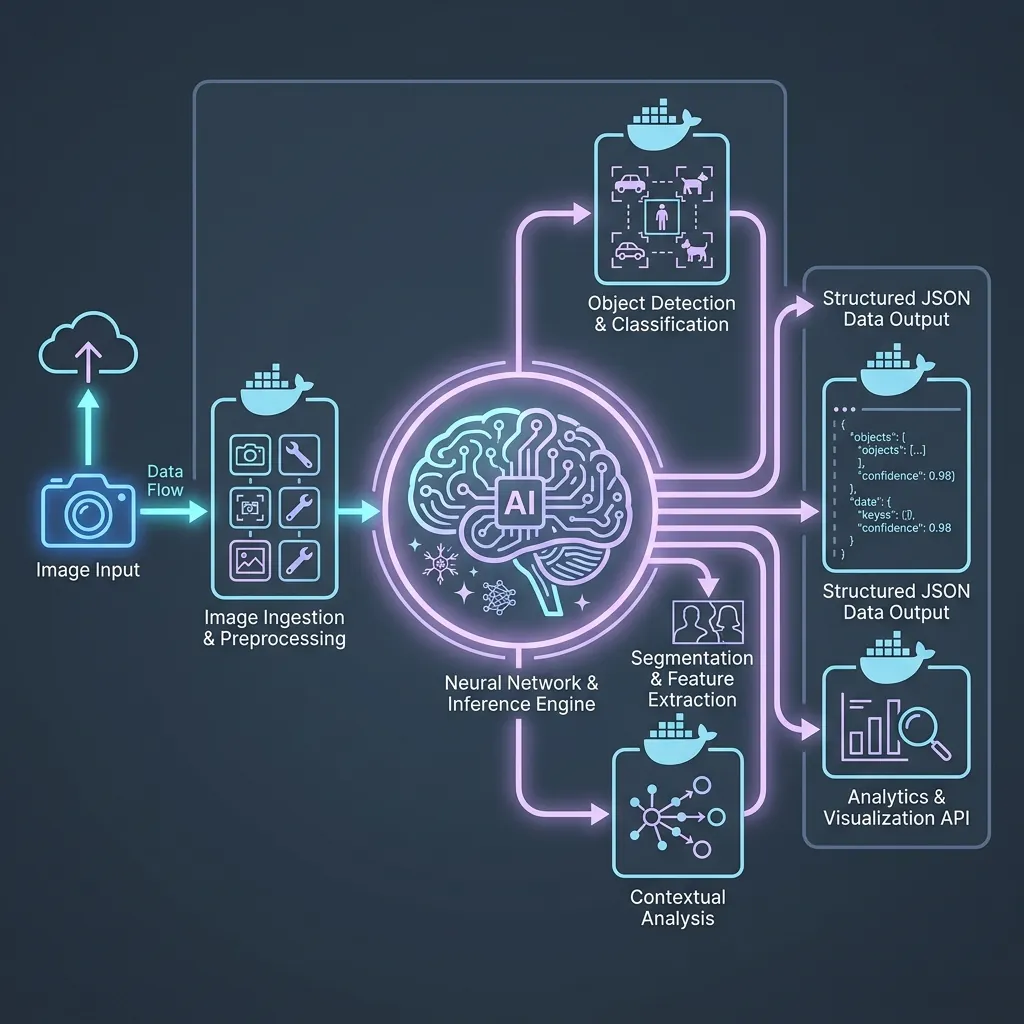
The term ‘Prompt Engineering’ had a brief, glamorous reign. In 2023, people genuinely believed that knowing how to write “Think step by step” was a lucrative lifelong career.
In 2026, prompt engineering is an entry-level table stakes skill.
The discipline that now separates amateur AI implementations from world-class enterprise systems is Context Engineering.
1. What is Context Engineering?
┌────────────────────────────────────────────────────────────────────────┐
│                        THE CONTEXT PIPELINE                            │
├────────────────────────────────────────────────────────────────────────┤
│ 1. Context Hydration: Querying DBs, vector stores, and live state      │
│ 2. Context Pruning: Stripping redundant tokens & noise                 │
│ 3. Semantic Structuring: Markdown tagging & schema isolation           │
│ 4. Cache Alignment: Formatting prefixes for 100% KV Cache hits         │
│ 5. Attention Budgeting: Keeping vital tokens inside high-recall zones  │
└────────────────────────────────────────────────────────────────────────┘
Context engineering treats the attention window like RAM in high-performance computing: a scarce, expensive, latency-sensitive resource that must be allocated with extreme precision.
2. The 4 Core Disciplines of Context Engineering
1. KV-Cache Boundary Alignment
Hyperscalers and inference engines offer 50% to 80% discounts on prompt tokens that match previously cached prefix blocks.
- Amateur Approach: Dynamically inserting the timestamp or user name at line 1 of the prompt (invalidating the entire cache for every request).
- Context Engineer: Placing static instructions, tool definitions, and domain rules at the exact start of the prompt. Dynamic user variables are strictly isolated at the very end to maximize cache hits.
2. Semantic Pruning and Compaction
Raw data is notoriously noisy. A scraped webpage or API JSON payload is filled with CSS stylesheets, analytics trackers, and superfluous metadata. A context engine runs deterministic AST and JSON pruning before passing data to the LLM:
def prune_customer_payload(raw_json: dict) -> dict:
    # Retains only the 5 business-critical fields, saving 80% of tokens
    return {
        "id": raw_json["id"],
        "tier": raw_json["subscription_tier"],
        "open_tickets": [t["subject"] for t in raw_json.get("tickets", []) if t["status"] == "open"]
    }
3. XML / Markdown Structural Framing
Models trained on modern code and web corpora exhibit superior reasoning when context is segregated into explicit XML or Markdown tags:
<context_rules>
  Strictly adhere to ISO-8601 timestamps.
</context_rules>
<ground_truth_evidence>
  {clean_evidence_json}
</ground_truth_evidence>
<user_query>
  {query}
</user_query>
3. The Future: Dynamic Attention Allocation
As context windows scale, the challenge is no longer how many tokens you can fit, but how cleanly you guide the model’s self-attention layers toward the factual signal. Master context engineering, and your AI systems will be faster, cheaper, and exponentially more reliable.
Get Weekly AI Architect Cost & Strategy Updates
Join 14,000+ developers receiving weekly, data-driven cost-reduction blueprints and production-ready agent guidelines.